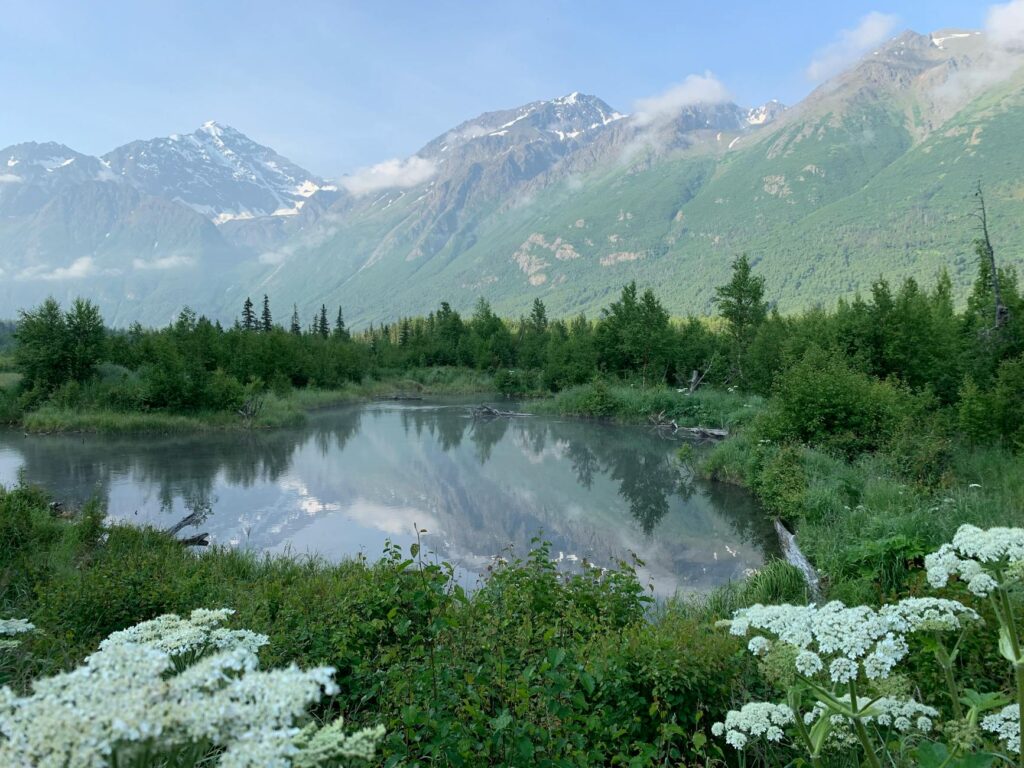
Trail Overview
As a seasoned Anchorage hiker, I can confidently say that Rabbit Lake is one of the most rewarding and accessible trails in our backyard. This 9.4-mile round-trip hike offers a unique blend of scenic views, interesting geological features, and a chance to connect with the area’s rich history. What makes Rabbit Lake truly special is its proximity to the city, making it an ideal day-trip destination for those looking to escape the urban jungle without venturing too far. The trail’s moderate difficulty and well-maintained path make it accessible to hikers of all skill levels, from families with kids to seasoned adventurers.
From the trailhead, you’ll embark on a journey that winds through a lush forest, eventually opening up to breathtaking views of the surrounding mountains and the lake itself. The scenery is particularly stunning during the summer months when the wildflowers are in full bloom, and the fall season offers a kaleidoscope of colors as the leaves change. Whether you’re a nature enthusiast, a history buff, or simply looking for a great workout, Rabbit Lake has something for everyone.
As a local, I can attest that Rabbit Lake is a beloved destination for many Anchorage residents. It’s a place where we come to connect with nature, challenge ourselves, and spend quality time with family and friends. With its rich history, diverse wildlife, and stunning scenery, it’s no wonder that Rabbit Lake remains one of the most popular hiking trails in the area.
Trail History
The area surrounding Rabbit Lake has a rich and fascinating history that spans thousands of years. The Dena’ina Athabascan people have inhabited this region for centuries, with archaeological evidence suggesting that they hunted and fished in the area as far back as 1,000 years ago. The Dena’ina people have a deep spiritual connection to the land, and their traditional stories and legends are still passed down through generations today. In the late 18th century, Russian explorers arrived in the area, and the trail was later established during the American era. The geological history of the area is equally fascinating, with the lake and surrounding landscape shaped by the movement of glaciers during the last ice age. The trail follows the path of a former glacier, which carved out the valley and created the lake. Notable events in the area include the construction of the nearby Glen Highway, which brought increased accessibility to the trail, and the establishment of Chugach National Forest, which protects the area’s natural resources.
The Dena’ina Athabascan people have a profound respect for the land and its inhabitants, and their traditional practices and stories continue to influence the way we interact with the natural world today. As you hike the trail, keep an eye out for signs of the area’s rich cultural and geological history, from the remnants of old-growth forests to the unique rock formations that dot the landscape.
Trail Description — Step by Step
The Rabbit Lake trail begins at the well-marked trailhead, located just off the Glen Highway. From the outset, you’ll notice the dense forest surroundings, with tall trees and a lush underbrush that’s home to a variety of wildlife. At approximately 0.5 miles, you’ll come across a small clearing with a sign indicating the trail’s direction. Be sure to take a moment to appreciate the unique rock formations in this area, which were shaped by the movement of glaciers during the last ice age. As you continue on, the trail begins to climb, and at 1 mile, you’ll reach a fork in the road. Take the left path, which will lead you through a stunning stand of aspen trees. The canopy overhead is particularly beautiful during the fall season, with the leaves turning a vibrant yellow.
At 1.5 miles, you’ll catch your first glimpse of the surrounding mountains, and the scenery only gets better from here. The trail continues to wind its way through the forest, with occasional openings that offer breathtaking views of the valley below. One of the best photo spots is at approximately 2.5 miles, where a small clearing offers a stunning view of the lake in the distance. Be sure to keep an eye out for wildlife, including moose, bears, and eagles, which are commonly spotted in the area. As you approach the lake, you’ll notice the unique geological features that surround it, including the remnants of a former glacier. The lake itself is a stunning sight, with crystal-clear waters and a picturesque shoreline.
As you make your way around the lake, be sure to take in the unique rock formations and scenic views. The trail can be a bit rocky and uneven in some areas, so be sure to watch your step. At approximately 4.5 miles, you’ll reach the lake’s shoreline, where you can take a break and enjoy the scenery. The return journey follows the same path, with the exception of a short detour that takes you through a stunning meadow filled with wildflowers. This is a great spot to take a break and enjoy the scenery, and it’s also a good opportunity to spot some of the area’s unique wildlife.
🗣 What Locals Say
“I was up there last weekend. It was absolutely beautiful — the reflections on the lake were incredible.”
“Got lucky to get the Milky Way close enough to get it in the same shot as one of the Suicides! It was extremely windy up at Rabbit Lake — bring layers.”
“A couple of notes: The ice was approx 1.5 to 4 inches and a few areas next to shore and on the east side of the lake were thin. Always check conditions before venturing on frozen alpine lakes.”
Wildlife & Seasonal Conditions
Rabbit Lake is home to a diverse range of wildlife, including moose, bears, eagles, and even the occasional wolverine. Be sure to keep an eye out for these amazing creatures, and never approach or feed them. Seasonally, the trail is best hiked from June to October, when the weather is warm and the wildflowers are in bloom. However, be aware that the trail can be snowy and icy during the winter months, and may require crampons or snowshoes. For current conditions, be sure to check the Chugach National Forest website or contact the local ranger station. It’s also a good idea to check the weather forecast before heading out, as the trail can be slippery and treacherous in wet conditions.
What to Bring
Given the trail’s moderate difficulty and 1,000-foot elevation gain, it’s essential to bring the right gear to ensure a safe and enjoyable hike. Here’s a list of essentials to include:
* Sturdy hiking boots or trail running shoes
* Comfortable hiking clothes and layers for changing weather conditions
* Water and snacks (at least 2-3 liters per person)
* Map and compass or GPS device
* First aid kit and emergency shelter
* Bear spray and knowledge of how to use it
* Bug spray and sunscreen
* Camera and extra batteries (for capturing those stunning views!)
* Trekking poles (optional, but recommended for the rocky and uneven terrain)
📸 Trail Photos


💬 What Locals Say
“Park early on summer weekends — trailhead lots fill by 9am. Arrive before 7:30am for guaranteed parking.”
“Bring microspikes for shoulder seasons (May and September). The trail can be icy even when it looks clear.”
“The best photo spot is about 2/3 of the way up — you get Anchorage skyline and Cook Inlet in the same frame.”
“This is bear country. Make noise, carry bear spray, hike in groups. Bears are most active at dawn and dusk.”
🗺️ Map & Directions
📍 GPS & Navigation
Coordinates: 61.0553°N, 149.7125°W
Trailhead: Rabbit Lake Trailhead
Directions: From Anchorage, take O’Malley Rd east, turn right on Hillside Dr, then left on Upper Huffman Rd. Continue past Glen Alps and follow South Bivouac Rd to the Rabbit Lake trailhead at the end.
🥾 Nearby Trails
Official Trail Info: Chugach State Park — DNR ↗