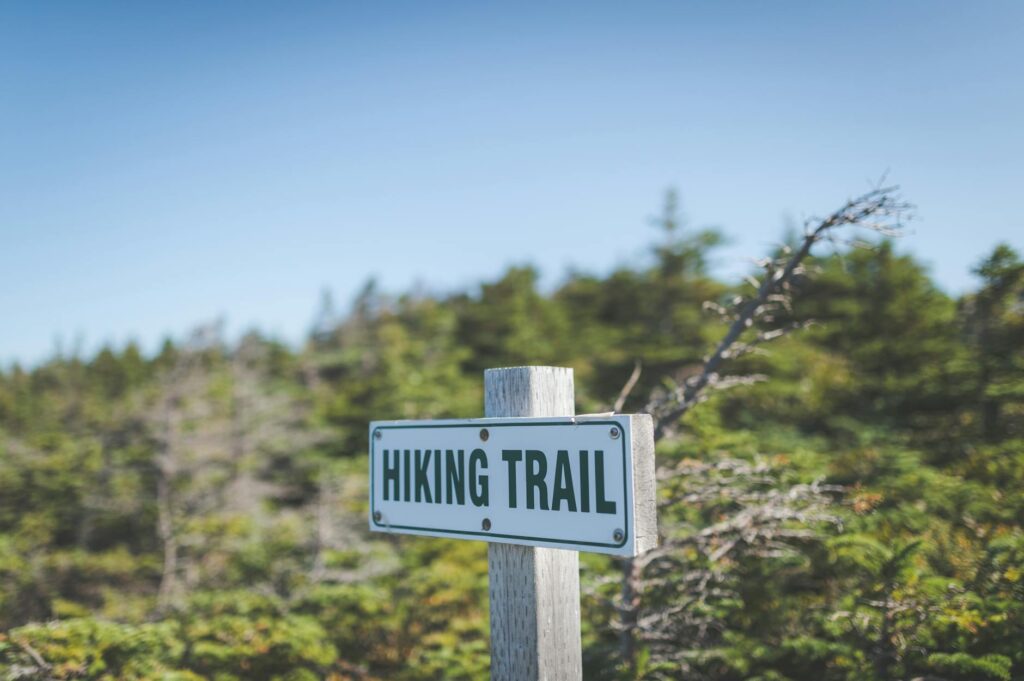
Trail Overview
As a local Anchorage resident who’s hiked Powerline Pass dozens of times, I can attest that this trail is a must-do for anyone looking to experience the best of Alaska’s wilderness. What makes Powerline Pass so special is its unique blend of stunning mountain vistas, picturesque valleys, and historic significance. The trail follows an old power line corridor, hence the name, and offers breathtaking views of the surrounding Chugach Mountains. From the trailhead, you’ll wind your way up to the pass, taking in the sights and sounds of Alaska’s pristine wilderness. Whether you’re a seasoned hiker or just starting out, Powerline Pass has something to offer everyone.
One of the things that sets Powerline Pass apart from other trails in the area is its accessibility. The trailhead is located just a short drive from Anchorage, making it an easy day trip or afternoon excursion. Additionally, the trail is well-marked and well-maintained, making it easy to navigate even for those who are new to hiking. As you hike, keep an eye out for the unique rock formations and wildflowers that dot the landscape. In the summer months, the trail is teeming with life, from the wildflowers that bloom in every color of the rainbow to the animals that call the area home.
As a local, I can tell you that Powerline Pass is a trail that never gets old. Whether I’m hiking it with friends, family, or solo, I always find something new to appreciate about this trail. From the stunning views from the top of the pass to the peacefulness of the valley below, Powerline Pass is a trail that has something for everyone. So if you’re looking for a hiking experience that will leave you in awe of Alaska’s natural beauty, look no further than Powerline Pass.
Trail History
The area surrounding Powerline Pass has a rich and diverse history that spans thousands of years. For centuries, the Dena’ina Athabascan people called this area home, using the land for hunting, gathering, and trading. The Dena’ina people had a deep connection to the land and considered the area around Powerline Pass to be sacred. In the late 18th century, Russian explorers arrived in the area, followed by American explorers and settlers. The trail itself was established in the early 20th century, when a power line was built to connect Anchorage to the surrounding communities.
Geologically, the area around Powerline Pass is a fascinating example of Alaska’s complex glacial history. The Chugach Mountains, which the trail winds its way through, were carved out by glaciers during the last ice age. The unique rock formations and valleys that you’ll see along the trail are a testament to the power of these glaciers. One notable event in the trail’s history is the 1964 earthquake, which caused significant damage to the power line and surrounding infrastructure. Today, the trail is a popular destination for hikers and outdoor enthusiasts, who come to experience the natural beauty and rich history of the area.
Trail Description — Step by Step
The Powerline Pass trail is an 11-mile round-trip hike that gains approximately 1,500 feet in elevation. The trail begins at the Powerline Pass trailhead, located at the end of a dirt road just outside of Anchorage. From the trailhead, the trail begins as a gentle climb through a forest of spruce and aspen trees. At 0.5 miles, you’ll come to a small clearing with a sign marking the beginning of the power line corridor. From here, the trail begins to climb more steeply, winding its way up to the pass.
At 1 mile, you’ll reach a fork in the trail. Take the left fork, which will lead you up to the pass. The right fork leads to a smaller valley and is a good option if you’re looking for a shorter hike. As you climb, keep an eye out for the stunning views of the surrounding mountains. At 1.5 miles, you’ll reach a rocky outcropping with breathtaking views of the valley below. This is a great spot to stop and take a photo. At 2.5 miles, you’ll reach the pass itself, which offers stunning 360-degree views of the surrounding mountains.
From the pass, the trail begins to descend, winding its way down to the valley below. At 4 miles, you’ll reach a small stream, which is a great spot to stop and take a break. From here, the trail continues to descend, eventually leading you back to the trailhead. Along the way, keep an eye out for wildlife, including moose, bears, and eagles. Locals know that the best time to see wildlife is early in the morning or late in the evening, when the trail is less crowded.
🗣 What Locals Say
“That’s one of my favorite hikes up in the Anchorage area. Definitely a happy place.”
“I can’t imagine trying to hike Flattop, go to the Zoo, and do the Fair all in one day. Flattop and Powerline Pass are in the same area — do them together for a full day in Chugach.”
“Anchorage man cited for illegally killing moose just off Powerline Pass Trail — always remember this is active wildlife habitat. Keep dogs leashed and give animals space.”
“The Glen Alps area is stunning year-round. In summer the wildflowers are incredible, in fall the tundra turns gold and red. One of Anchorage’s best accessible wilderness areas.”
Wildlife & Seasonal Conditions
The Powerline Pass trail is home to a wide variety of wildlife, including moose, bears, eagles, and wolves. In the summer months, the trail is teeming with life, from the wildflowers that bloom in every color of the rainbow to the animals that call the area home. In the winter months, the trail is quiet and peaceful, with the only sound being the snow crunching beneath your feet. Be sure to check the current conditions before heading out on the trail, as the weather in Alaska can be unpredictable. For up-to-date information on trail conditions, visit the Anchorage Parks and Recreation website.
What to Bring
* Hiking boots or sturdy trail shoes
* Bear spray
* Map and compass
* First aid kit
* Water and snacks
* Sunscreen and insect repellent
* Camera and extra batteries
* layers of clothing for changing weather conditions
* Headlamp or flashlight in case you’re hiking late in the day
* Emergency shelter and warmth, such as a lightweight blanket and warm hat
Trail stats: Difficulty: Moderate, Distance: 11 miles round-trip, Elevation: 1,500 ft gain, Time: 5–7 hours, Dogs: Yes, on-leash, Permit: No, Best Season: May–October
📸 Trail Photos



💬 What Locals Say
“Park early on summer weekends — trailhead lots fill by 9am. Arrive before 7:30am for guaranteed parking.”
“Bring microspikes for shoulder seasons (May and September). The trail can be icy even when it looks clear.”
“The best photo spot is about 2/3 of the way up — you get Anchorage skyline and Cook Inlet in the same frame.”
“This is bear country. Make noise, carry bear spray, hike in groups. Bears are most active at dawn and dusk.”
🗺️ Map & Directions
📍 GPS & Navigation
Coordinates: 61.1000°N, 149.6850°W
Trailhead: Powerline Pass Trailhead
Directions: Start at Glen Alps Trailhead on Hillside Drive. Take the wide gravel Powerline Trail south through the valley. The route follows the power line corridor all the way to the pass.
🥾 Nearby Trails
Official Trail Info: Chugach State Park — DNR ↗