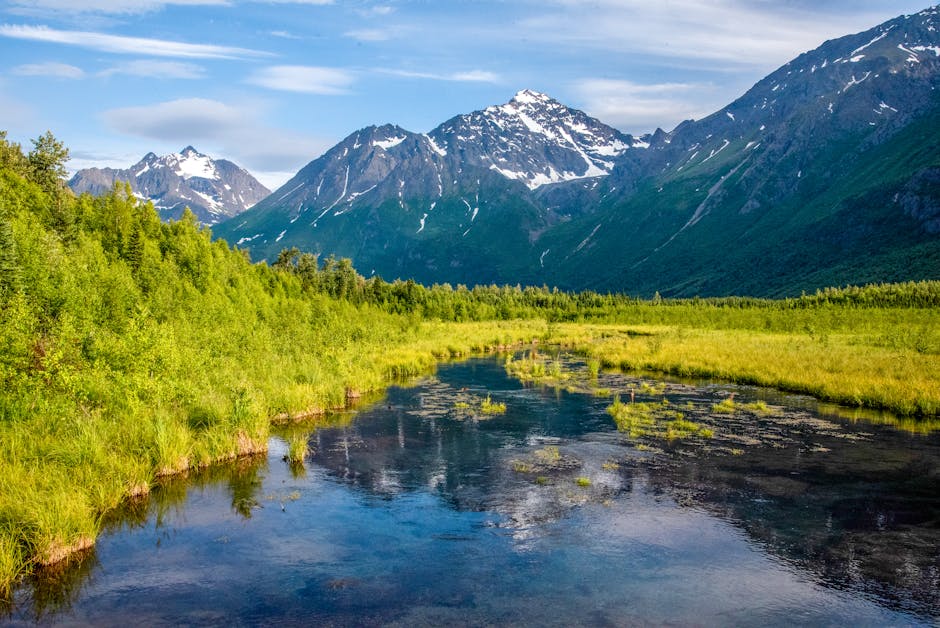

Introduction to Mt. Baldy Trail (Eagle River)
The Mt. Baldy Trail, located in the Eagle River area near Anchorage, Alaska, is a popular hiking destination that offers breathtaking views of the surrounding landscape. This trail guide provides essential information for hikers to plan and prepare for their adventure. The trail stats are as follows: 3 mi RT Distance, 1,850 ft Elevation Gain, Hard Difficulty, and 3–4 hrs Avg Time. The best season to hike the Mt. Baldy Trail is from June to September.
Trail Information
The Mt. Baldy Trail is a well-maintained, single-track trail that winds its way up the mountain through a mix of forest and alpine terrain. The trail begins in a dense forest of spruce and aspen trees, with the sound of the Eagle River flowing in the distance. As you climb higher, the trees thin out, and the trail opens up to reveal stunning views of the surrounding mountains and valleys. The trail is steep and rocky in some areas, with loose gravel and scree making it slippery and treacherous. Hikers should be prepared for uneven terrain and potential hazards such as loose rocks and steep drop-offs.
Seasonal Tips
The best season to hike the Mt. Baldy Trail is from June to September, when the weather is generally mild and the trail is free of snow and ice. However, it’s essential to check the current trail conditions before heading out, as the weather in Alaska can be unpredictable. In the spring, the trail can be muddy and slippery, while in the fall, the leaves can be slippery and hide potential hazards. In the winter, the trail is snow-covered and icy, and hikers should be prepared for these conditions with crampons and ice axes.
Wildlife to Watch For
- Dall sheep: These iconic Alaskan animals can often be spotted grazing on the mountain slopes.
- Moose: Keep an eye out for these large, majestic creatures, which frequent the area.
- Bears: Both black and brown bears inhabit the area, so hikers should be prepared and take necessary precautions.
- Eagles and hawks: These birds of prey can be seen soaring overhead, taking advantage of the thermal winds.
Specific Gear Recommendations
Hikers should be prepared with the following gear: sturdy hiking boots, trekking poles, bear spray, and a first aid kit. It’s also essential to bring layers of clothing, as the weather in Alaska can change quickly. In the winter, hikers should bring crampons and ice axes, and consider bringing a satellite phone or other means of communication, as cell coverage can be spotty.
Parking and Trailhead Access Details
To access the Mt. Baldy Trail, follow these directions:
- From Anchorage, take the Glenn Highway (AK-1) north towards Eagle River.
- Take the Eagle River Loop Road exit and head east towards the town of Eagle River.
- Turn left onto Skyline Drive and continue for approximately 2 miles.
- Turn right onto Mount Baldy Road and follow the signs to the trailhead.
- The trailhead is located at the end of Mount Baldy Road, and parking is available in a small lot.
Difficulty Context
The Mt. Baldy Trail is a challenging hike, with steep and rocky terrain, and uneven surfaces. It’s essential to be in good physical condition and have previous hiking experience before attempting this trail. The trail is not recommended for beginners or those with mobility issues.
Local Hiker’s Tip
For a more challenging and scenic hike, consider taking the side trail to the summit of Mt. Baldy. The views from the top are breathtaking, and the sense of accomplishment is well worth the extra effort.
Safety Notes
It’s essential to be prepared for the unexpected when hiking in Alaska. Make sure to bring bear spray and know how to use it, and be aware of your surroundings at all times. The weather in Alaska can change quickly, so be prepared for rain, wind, and cold temperatures. Cell coverage can be spotty, so consider bringing a satellite phone or other means of communication. Let someone know your itinerary and expected return time, and be prepared to spend the night on the mountain if necessary.

