🗺️ Google Maps Directions
The Campbell Creek Estuary Trail is a hidden gem within the city limits of Anchorage, offering a unique blend of coastal estuary ecosystem, waterfowl viewing, and mudflat wildlife observations with the stunning backdrop of Cook Inlet. As a local hiker, I can attest that this trail is a must-visit destination for anyone interested in exploring the natural beauty of Alaska. The trail’s proximity to the airport and free parking make it an easily accessible escape from the hustle and bustle of city life. With over 100 species of birds recorded in the area, it’s a birder’s paradise, and the chance to spot salmon in the creek and even beluga whales in the distance makes it an exciting adventure for the whole family.
Getting There & Parking
To get to the Campbell Creek Estuary Trail, take Raspberry Road west from Anchorage and turn left into the Campbell Creek Estuary Natural Area parking lot. The trailhead is located at 61.1567° N, -149.9833° W, and parking is free. Be aware that the parking lot can fill up quickly, especially during peak season, so it’s a good idea to arrive early. The trail is also accessible by bike or on foot from nearby neighborhoods, making it a great option for those who want to leave their car behind. Keep in mind that the trailhead is just minutes from the airport, so you may hear some airplane noise during your hike.
Trail Description
The Campbell Creek Estuary Trail is a 3-mile loop that takes you through a variety of landscapes, including coastal wetlands, mudflats, and forested areas. The trail is relatively flat, with minimal elevation gain, making it accessible to hikers of all skill levels. The trail begins at the parking lot and follows a well-maintained boardwalk through the estuary, offering stunning views of Cook Inlet and the surrounding mountains. As you walk, keep an eye out for shorebirds, waterfowl, and salmon in the creek. The trail then loops back through a forested area, where you may spot eagles and other wildlife. Be sure to stay on the trail and respect any closed areas, as the estuary is a sensitive habitat for many species.
What You’ll See
The Campbell Creek Estuary Trail offers a unique opportunity to experience the natural beauty of Alaska’s coastal ecosystem. The estuary is home to a wide variety of wildlife, including shorebirds, waterfowl, salmon, and even the occasional beluga whale. The trail also offers stunning views of Cook Inlet and the surrounding mountains, making it a great spot for photography. In the spring, the trail is a hotspot for shorebird migration, with over 100 species recorded in the area. In the fall, the trail is a great place to see the salmon run, with thousands of fish making their way up the creek to spawn. Be sure to bring binoculars to get a closer look at the wildlife, and keep an eye out for eagles and other birds of prey.
What Locals Say
⚠️ Don’t Make This Mistake
Bear Safety on This Trail
While bear encounters are rare on the Campbell Creek Estuary Trail, it’s still important to be aware of the risks and take necessary precautions. The trail passes through a forested area, where bears may be present, especially during the salmon run. Hikers should make noise while walking, stay in groups, and keep a clean campsite to avoid attracting bears. It’s also a good idea to carry bear spray and know how to use it.
What to Bring
To make the most of your hike on the Campbell Creek Estuary Trail, be sure to bring the following gear: hiking boots with good traction, binoculars for wildlife viewing, and waterproof jacket and pants to keep you dry in case of rain. You may also want to bring bear spray and a first aid kit in case of emergencies.
FAQ
Q: Is the trail suitable for families with strollers?
A: Yes, the trail has stroller-friendly sections, but be aware that some areas may be muddy or rough.
Q: Can I bring my dog on the trail?
A: Yes, dogs are allowed on the trail, but they must be kept on a leash in sensitive areas.
Q: What is the best time of year to see wildlife on the trail?
A: The best time to see wildlife on the trail is during the spring shorebird migration (May) and fall salmon run (August). If you’re looking for more hiking opportunities in the area, be sure to check out the Tony Knowles Coastal Trail, Ship Creek Trail, and Thunderbird Falls for more stunning views and exciting adventures.
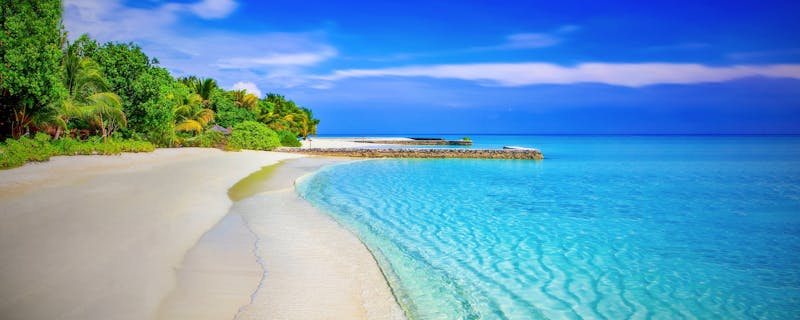
Views along Campbell Creek Estuary Trail, Jewel Lake Area, West Anchorage
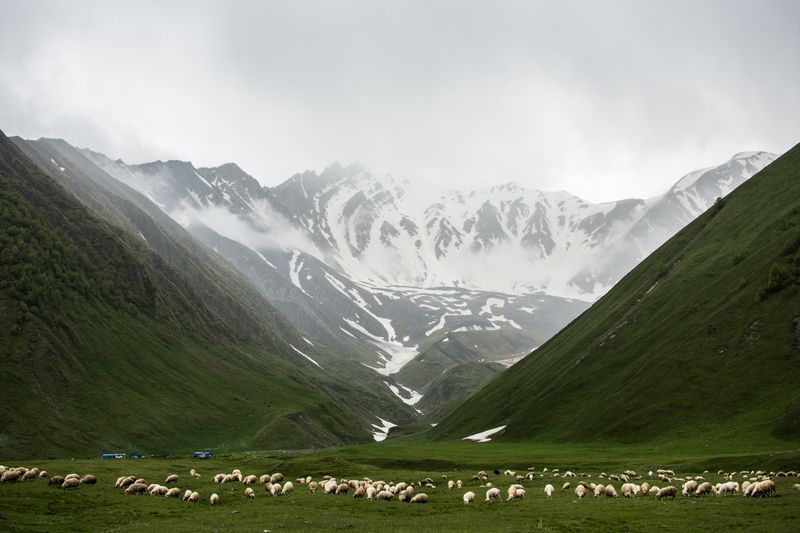
The reward: Unique coastal estuary ecosystem within city limits
🗺️ Related Trails You’ll Love
Alaska Dept of Fish & Game ↗