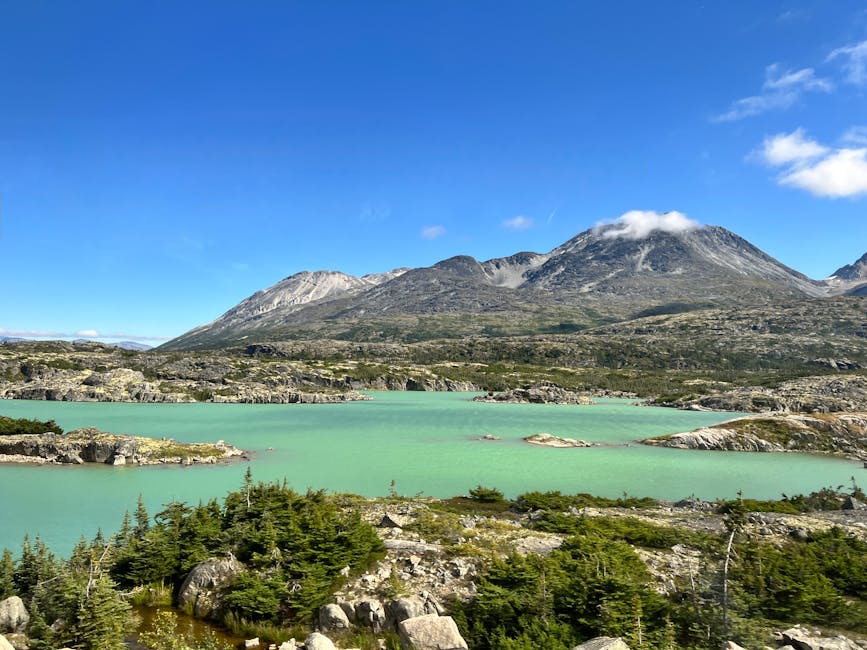

Introduction to Reed Lakes Trail
The Reed Lakes Trail, located in the stunning Hatcher Pass near Anchorage, Alaska, is a moderately challenging hike that offers breathtaking views of the surrounding mountains, valleys, and lakes. This trail guide provides you with all the necessary information to plan and execute a successful and enjoyable hike. The trail stats are as follows: 8 miles round trip, 1,500 feet elevation gain, moderate difficulty, and an average time of 4-6 hours.
Trail Information
The Reed Lakes Trail is a moderately challenging hike that offers breathtaking views of the surrounding mountains, valleys, and lakes. The trail begins with a gentle, scenic walk through a valley surrounded by towering mountains. As you ascend, the trail becomes steeper and more rugged, with rocky and uneven terrain. You’ll pass through alpine meadows, cross small streams, and climb up steep inclines. The trail eventually leads to the lower and upper Reed Lakes, which offer stunning views of the surrounding mountains and valleys.
What to Expect
As you hike the Reed Lakes Trail, you’ll experience a variety of breathtaking views and ecosystems. The trail begins in a lush valley surrounded by towering mountains, with wildflowers and green vegetation as far as the eye can see. As you ascend, the trail passes through alpine meadows, where you may see Dall sheep grazing on the steep slopes. The sound of small streams and waterfalls fills the air, and the scent of wildflowers and fresh mountain air invigorates your senses. The trail eventually leads to the lower and upper Reed Lakes, which offer stunning views of the surrounding mountains and valleys, with the sound of loons and other birds filling the air.
Seasonal Tips
The best time to hike the Reed Lakes Trail is from June to September, when the weather is warm and dry, and the wildflowers are in bloom. However, be aware that the trail can be snowy and icy in the early season, and the weather can change quickly in the mountains. In the summer months, the trail can be busy with hikers and backpackers, so be prepared for crowds. In the fall, the trail can be less crowded, but the weather can be cooler and wetter, so be sure to pack layers and waterproof gear.
Wildlife to Watch For
- Dall Sheep: Often spotted on the mountain slopes and ridges, these iconic Alaskan animals are a thrill to see.
- Moose: Occasionally seen in the valley and meadows, these large and majestic animals are a rare but exciting sighting.
- Grizzly Bears: Rarely encountered, but possible in the area, it’s essential to be aware of your surroundings and take necessary precautions.
- Eagles: Soaring overhead or perched in trees, these majestic birds are a common sight on the Reed Lakes Trail.
Specific Gear Recommendations
For the Reed Lakes Trail, it’s essential to bring sturdy hiking boots, trekking poles, and layers of breathable clothing. The trail can be steep and rocky, so good footwear and balance are crucial. Additionally, the weather can change quickly in the mountains, so be sure to pack a waterproof jacket and pants, as well as a warm hat and gloves. Don’t forget to bring plenty of water, snacks, and a first aid kit, as well as bear spray and a map and compass or GPS device.
Parking and Trailhead Access
To access the Reed Lakes Trail, follow these directions: From Anchorage, drive north on the Glenn Highway (AK-1) for approximately 50 miles. Take the Hatcher Pass Road exit (milepost 49.5) and head west towards the mountains. Continue on Hatcher Pass Road for about 15 miles, passing through a scenic valley and eventually reaching the trailhead parking area. The parking area is marked with a sign and has a large gravel lot with space for multiple vehicles.
Difficulty Context
The Reed Lakes Trail is a moderately challenging hike, with steep and rocky terrain, as well as uneven and slippery surfaces. The trail is suitable for hikers with some experience and a good level of physical fitness. However, it’s not recommended for beginners or those with mobility issues. If you’re unsure about your ability to complete the hike, consider starting with a shorter and easier trail and working your way up to more challenging hikes like the Reed Lakes Trail.
Local Hiker’s Tip: Be sure to bring a water filter or treatment, as the water in the lakes and streams may be contaminated with giardia or other bacteria. Additionally, consider hiking the trail in the early morning or late afternoon to avoid the crowds and heat of the day.
Safety Notes
When hiking the Reed Lakes Trail, it’s essential to be aware of your surroundings and take necessary precautions to ensure your safety. Be sure to bring bear spray and know how to use it, as well as a first aid kit and a map and compass or GPS device. Additionally, be aware of the weather forecast and trail conditions, and turn back if you encounter any signs of bad weather or trail damage. Finally, be sure to let someone know your itinerary and expected return time, and consider hiking with a partner or group for added safety.
In terms of cell coverage, the Reed Lakes Trail has limited to no cell service, so be sure to plan accordingly and bring a satellite phone or other means of communication if necessary. Additionally, be aware of the potential for wildlife encounters, including bears, moose, and other animals, and take necessary precautions to avoid them.

