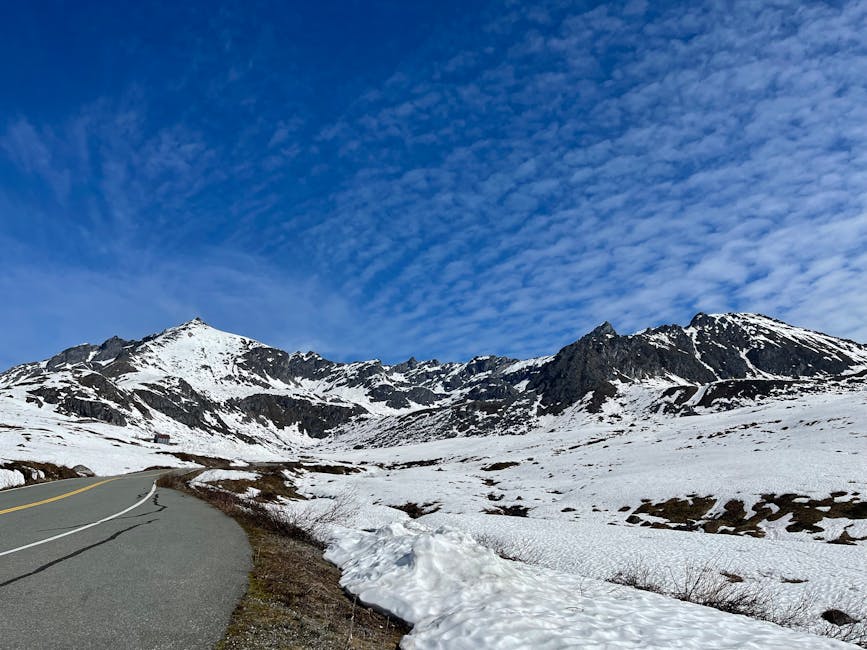

Introduction to Pioneer Peak Trail
Located in the stunning Matanuska-Susitna (MatSu) valley near Anchorage, Alaska, the Pioneer Peak Trail is a challenging yet rewarding hike that offers breathtaking views of the surrounding mountains and valleys. This trail guide provides detailed information to help you prepare for your adventure. The Pioneer Peak Trail is a 12 mi RT distance hike with a 5,700 ft elevation gain, considered Very Hard in terms of difficulty, and takes an average of 8–12 hrs to complete.
Trail Information
The Pioneer Peak Trail begins in a dense forest, where you’ll follow a well-marked path that winds its way up the mountain. As you ascend, the trees will give way to scrubby alpine vegetation, and eventually, you’ll reach the tree line. From here, the trail becomes steeper and rockier, with some scrambling required to reach the summit. Be prepared for uneven terrain, loose rocks, and potentially icy or snowy conditions, even in the summer months.
What to Expect
As you hike the Pioneer Peak Trail, you’ll be surrounded by stunning views of the surrounding mountains, including the Chugach Range and the Matanuska Valley. The trail takes you through a variety of landscapes, from dense forest to alpine meadows, and finally, to the rocky summit. Along the way, keep an eye out for wildlife, including Dall sheep, moose, black bears, grizzly bears, eagles, hawks, ground squirrels, and marmots. The wildflowers in the alpine meadows are a treat, with colors ranging from vibrant purple to delicate white.
Seasonal Tips
The best time to hike the Pioneer Peak Trail is from June to September, when the weather is warm and dry. However, be prepared for changing weather conditions, as the Alaska summer can be unpredictable. In the spring, the trail may still be snow-covered, and in the fall, the days are shorter, and the weather can be colder. It’s essential to check the weather forecast before heading out and to be prepared for any conditions.
Wildlife to Watch For
- Dall sheep: These iconic Alaskan animals can often be spotted on the mountain slopes, their white coats standing out against the rocky terrain.
- Moose: Keep an eye out for these large, majestic animals, particularly in the forested areas of the trail.
- Black bears: Although encounters with bears are rare, it’s essential to be prepared and to make noise while hiking to avoid surprising them.
- Grizzly bears: These powerful animals can be found in the area, so it’s crucial to be aware of your surroundings and to take necessary precautions.
- Eagles: The Matanuska Valley is home to a variety of bird species, including eagles, hawks, and ground squirrels.
Specific Gear Recommendations
For the Pioneer Peak Trail, it’s essential to wear sturdy hiking boots with good tread and ankle support. Bring layers, as the weather can change quickly, and dress in breathable, moisture-wicking clothing. A backpack with rain gear, a first aid kit, and plenty of water and snacks is also a must. Don’t forget to bring bear spray, a map, compass, and GPS device or app, and know how to use them.
Local Hiker’s Tip: Be sure to bring a water filter or purification tablets, as the water sources along the trail may be limited or contaminated. Additionally, consider hiking with a partner or group, as the trail can be challenging, and it’s always safer to have someone with you in case of an emergency.
The trailhead parking area is small, with space for approximately 10-15 vehicles. Be prepared to park on the side of the road if the parking area is full. There are no amenities at the trailhead, so be sure to bring everything you need, including water, snacks, and a first aid kit. To access the trailhead, take the Glenn Highway (AK-1) north towards Palmer, turn left onto Bogard Road, and continue for approximately 10 miles. Turn left onto Knik Road and drive for another 5 miles. The trailhead will be on your right, marked with a sign.
The Pioneer Peak Trail is considered Very Hard, with a 5,700 ft elevation gain and uneven terrain. The trail is not suitable for beginners or those with mobility issues. However, experienced hikers who are prepared for the challenge will be rewarded with breathtaking views and a sense of accomplishment.
It’s essential to be prepared for changing weather conditions, including rain, snow, and extreme temperatures. Bring bear spray and know how to use it, and be aware of your surroundings to avoid surprising wildlife. Cell coverage is limited in the area, so be sure to let someone know your itinerary, including your expected return time. Finally, always carry a first aid kit and know how to use the items in it.

