
Spring Birding Walk Trail Guide
Join us for a guided birding walk in Kincaid Park, where we’ll spot spring migrants and resident birds. This 2-mile walk will take approximately 2 hours to complete, with minimal elevation gain and a gentle pace, making it suitable for families and beginners. The trail is considered easy, with a difficulty rating of 2 out of 10, and can be completed in about 2 hours.
As we stroll through the park, we’ll be surrounded by the sights and sounds of spring awakening in Alaska. The air will be filled with the sweet songs of birds, and the ground will be covered with a vibrant carpet of wildflowers, including lupines, forget-me-nots, and wild roses. We’ll see the majestic moose roaming through the meadows, and the elegant swans gliding across the lakes. The trail will take us through a mix of forest and meadow, with stunning views of the surrounding mountains and the chance to spot a variety of bird species, including warblers, sparrows, and hawks.
The best time to go on this walk is in the early morning, when the birds are most active, and the air is crisp and cool. As the season changes, the types of birds we’ll see will also change. In the spring, we can expect to see a variety of migratory birds, including warblers, tanagers, and orioles, as well as resident birds like chickadees, nuthatches, and woodpeckers. In the summer, we’ll see more birds with their young, and in the fall, we’ll see the migratory birds returning south.
Wildlife to Watch For
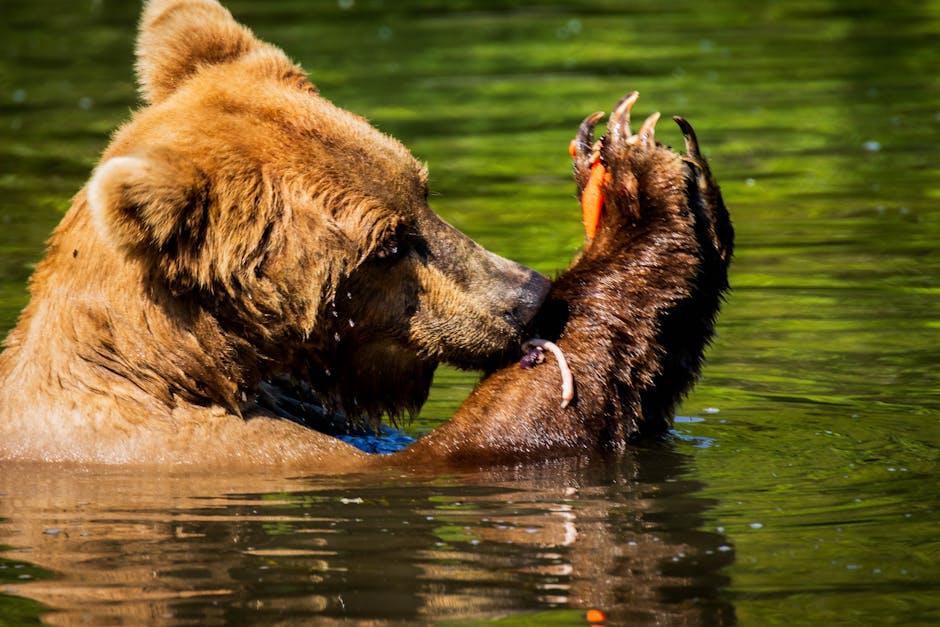
As we walk through the park, we’ll be on the lookout for a variety of wildlife, including bears, moose, Dall sheep, and eagles. We’ll also see a variety of smaller animals, like beavers, otters, and squirrels. It’s essential to keep a safe distance from these animals and to never feed them, as this can disrupt their natural behavior and cause them to become aggressive.
- Bears: We’ll be on the lookout for black bears and grizzly bears, which are common in the area. We’ll make sure to make noise while walking and to stay in groups to avoid surprising them.
- Moose: We’ll see moose roaming through the meadows and forests, and we’ll keep a safe distance to avoid disturbing them.
- Dall sheep: We’ll look for Dall sheep on the surrounding mountains, and we’ll use binoculars to get a closer look without disturbing them.
- Eagles: We’ll see eagles soaring overhead, and we’ll look for their nests in the trees.
Gear Recommendations
For this walk, we recommend bringing the following gear:
- Binoculars: For getting a closer look at the birds and other wildlife.
- Field guide: For identifying the different bird species we’ll see.
- Comfortable shoes: For walking on the trails.
- Water and snacks: For staying hydrated and energized throughout the walk.
- Bear spray: For safety, in case we encounter any bears.
Parking and Trailhead Access
The trailhead is located in the Kincaid Park parking lot, which can be accessed from the Kincaid Park entrance. The parking lot is large and well-maintained, with plenty of space for cars and buses. From the parking lot, we’ll follow the signs to the trailhead, which is marked with a large sign and a map of the trail.
Difficulty Context
This walk is suitable for families and beginners, as the trail is easy and the pace is gentle. However, it’s essential to note that the trail can be muddy and slippery in some areas, so it’s crucial to wear comfortable shoes with good traction. The walk is also approximately 2 miles long, which may be challenging for very young children or people with mobility issues.
Local Hiker’s Tip: For a more immersive experience, consider bringing a pair of waterproof boots and gaiters, as the trail can be muddy and wet in some areas. Also, be sure to bring a camera to capture the stunning views and wildlife we’ll see along the way.
Safety Notes
As with any hike in Alaska, it’s essential to be aware of the potential dangers and take necessary precautions. We’ll be on the lookout for bears, moose, and other wildlife, and we’ll make sure to stay in groups and make noise while walking. We’ll also bring bear spray and know how to use it, in case of an emergency. Additionally, we’ll be prepared for changing weather conditions, with rain gear and warm clothing, and we’ll stay informed about the trail conditions and any potential hazards.
Cell coverage can be limited in the area, so it’s crucial to let someone know our itinerary and expected return time. We’ll also bring a first aid kit and know how to use the items in it, in case of an emergency.
Trail stats:
- Distance: 2 miles
- Elevation gain: minimal